Anika Begum
Jominly Content Team
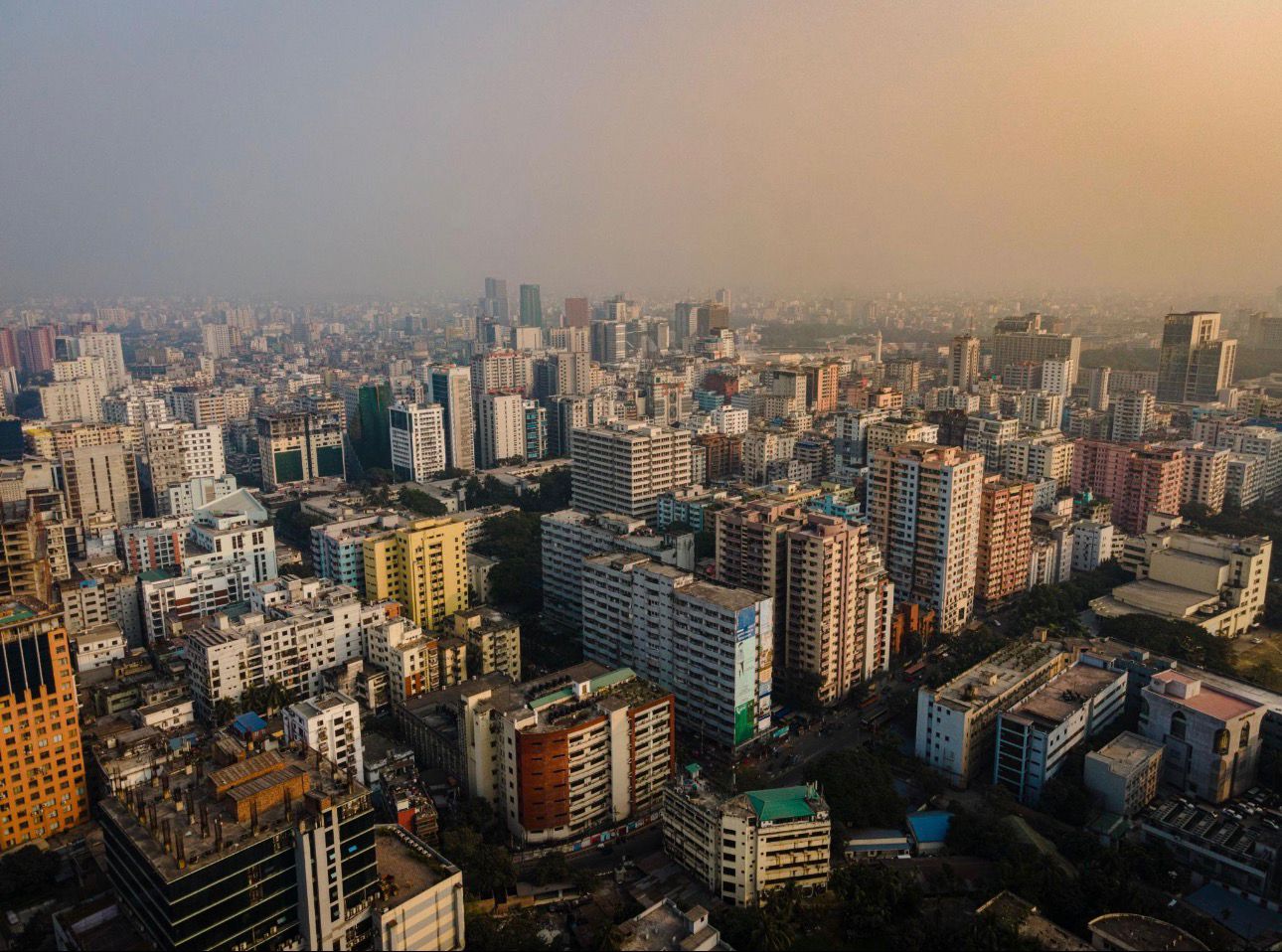
The real estate landscape in Bangladesh has entered a pivotal phase in 2026, characterized by a complex mix of rapid urban expansion and significant economic pressures. While major metropolitan hubs like Dhaka and Chattogram continue to see high demand, the market is currently grappling with skyrocketing construction material costs—particularly steel and cement—and a scarcity of prime land that has pushed property prices toward record highs. Despite these hurdles, the sector remains a cornerstone of the national economy, with the residential market alone projected to reach over $2.5 trillion in value. The current situation is marked by a notable shift in buyer behavior; rather than speculative purchasing, today’s middle-class consumers are prioritizing livability, functional design, and long-term value preservation. They are frequently looking toward emerging suburban hotspots like Purbachal and Keraniganj, where infrastructure megaprojects like the Metro Rail and Elevated Expressway have made commuting much more viable. Opportunities within this evolving market are abundant for those willing to innovate beyond traditional high-end luxury developments. There is a massive, underserved demand for mid-range and affordable housing, as nearly two-thirds of the urban population falls into a middle-income bracket that is currently priced out of many central districts. Beyond residential needs, the rise of the digital economy has sparked a surge in demand for modern commercial hubs, flexible co-working spaces, and specialized industrial real estate like e-commerce fulfillment centers. Furthermore, a growing environmental consciousness among younger buyers has opened a niche for "green" buildings that feature solar energy, rainwater harvesting, and smart home technology. These features not only appeal to eco-conscious residents but also offer long-term savings on utility costs, making them a smart investment for the future. To capitalize on these opportunities, real estate agencies and developers must elevate their standards of transparency and professional conduct. Agencies can improve by adopting digital-first strategies, such as AI-driven market forecasting and high-fidelity virtual tours, to help buyers navigate the complex landscape without the friction of traditional processes. For developers, the path to improvement lies in "value engineering"—optimizing designs to reduce waste and construction costs without compromising quality—and strictly adhering to the Bangladesh National Building Code (BNBC) to ensure safety and durability. Building long-term trust is essential; developers should focus on maintaining clear project timelines, offering zero hidden charges, and providing robust post-handover maintenance services. By forming strategic partnerships with financial institutions to offer more accessible, low-interest mortgage products and collaborating with urban planners to develop integrated satellite towns, the industry can bridge the current affordability gap. This collaborative approach will ensure a sustainable, inclusive future for the nation’s skylines.